The Global Tapestry of International Women's Day: Origins, Impact, and the UN's Pivotal Role
Every year on March 8th, the world pauses to celebrate International Women's Day (IWD) – a moment of global recognition and reflection. More than just a date on the calendar, IWD is a powerful symbol of progress, a testament to the enduring spirit of women, and a persistent call to action for gender equality worldwide. While often marked with heartfelt messages of
Happy Women's Day, flowers, and celebratory events, its true essence lies in commemorating the immense social, economic, cultural, and political achievements of women, while simultaneously shining a spotlight on the systemic challenges that continue to impede their full empowerment. It serves as a vital rallying point, transcending national, ethnic, linguistic, cultural, economic, and political divides, to advocate for a world where every woman and girl can thrive without limitation.
The Roots of a Global Movement: Tracing IWD's Origins
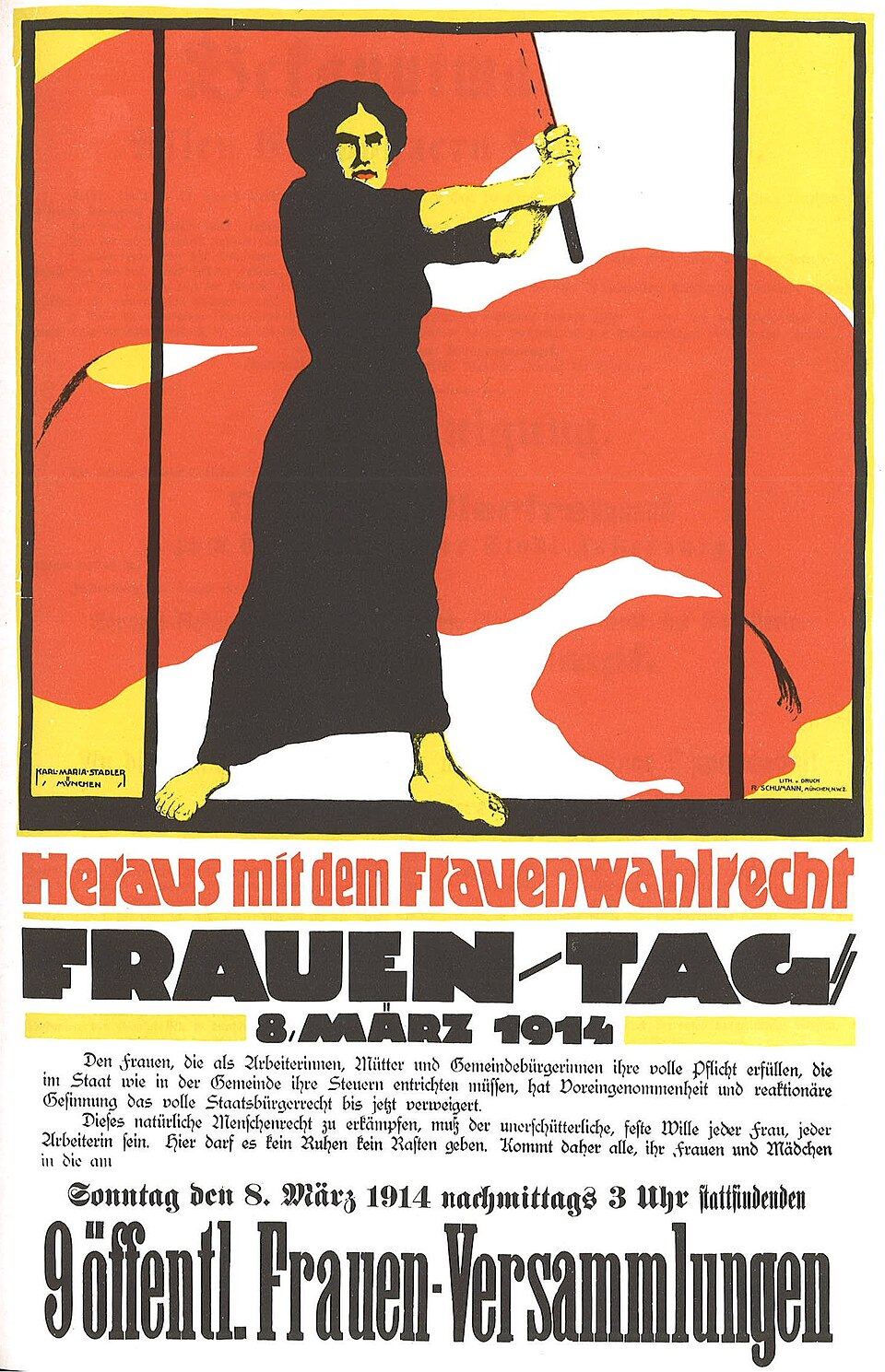
The journey of International Women's Day is deeply intertwined with the radical shifts of the early 20th century. Its origins are not found in a single decree but in the vibrant, often tumultuous, labor movements that swept across North America and Europe. In an era marked by industrialization, women frequently endured appalling working conditions, low wages, and a complete lack of political representation. These injustices ignited a fierce resolve for change.
The earliest significant precursor to IWD was "National Woman's Day," first observed in the United States on February 28, 1909, organized by the Socialist Party of America. This day commemorated a garment workers' strike in New York, where women protested against exploitative working conditions. The idea quickly gained traction internationally. In 1910, during the second International Conference of Working Women in Copenhagen, German socialist Clara Zetkin proposed an annual "Women's Day" to press for their demands, including suffrage. The proposal was met with unanimous approval from over 100 women from 17 countries, and the first International Women's Day was celebrated in Austria, Denmark, Germany, and Switzerland on March 19, 1911.
However, the fixed date of March 8th, as we know it today, has its strongest roots in the women's movements during the Russian Revolution. On March 8, 1917 (February 23 on the Julian calendar then used in Russia), women textile workers in Petrograd began a strike that expanded into a city-wide general strike, demanding "Bread and Peace." This powerful demonstration of women's collective action played a pivotal role in igniting the Russian Revolution and ultimately led to the Czar's abdication. Four days later, the provisional government granted women the right to vote. This historic moment solidified March 8th as the annual date for International Women's Day, shifting its focus from a purely socialist observance to a broader symbol of women's political and social liberation.
The United Nations' Endorsement: A Catalyst for Global Recognition
For decades following its inception, International Women's Day was primarily celebrated in socialist countries and by communist movements. However, its global recognition truly solidified with the involvement of the United Nations. In 1975, the UN celebrated International Women's Year, marking a turning point in mainstreaming gender equality issues on the international agenda. This culminated in 1977 when the United Nations General Assembly formally invited member states to proclaim March 8th as a day for women's rights and international peace.
This official endorsement by the UN was a monumental step. It transformed IWD from a celebration largely confined to specific political ideologies into a universally recognized occasion, providing a legitimate and powerful platform for advocating for women's rights across all nations. Organizations like UN Women, established in 2010, have since become instrumental in leading global efforts to advance gender equality and women's empowerment, working tirelessly with governments, civil society, and communities worldwide. The UN's consistent engagement ensures that IWD remains a beacon, constantly reminding the international community of its commitments to women's rights and the pursuit of global peace through equality.
Beyond Celebration: IWD's Enduring Impact and Modern Relevance
Today, International Women's Day is observed with unparalleled reach and diversity. From grassroots campaigns in local communities to high-level diplomatic discussions at the UN, the day sparks myriad events, debates, and initiatives. Governments, NGOs, educational institutions, corporations, and individuals participate in dialogues, marches, conferences, and creative expressions designed to highlight women's contributions and push for further progress. Each year, the UN establishes a specific theme for IWD, focusing global attention on pressing contemporary issues – from innovation and technology for gender equality to calls for rights, justice, and action for all women and girls. These themes underscore the dynamic and evolving nature of the fight for equality, adapting to new challenges and opportunities.
While the phrase "
Happy Women's Day" resonates globally as a sincere expression of appreciation, the day's significance extends far beyond mere well-wishes. It serves as a critical juncture to acknowledge the remarkable strides women have made in various fields: breaking glass ceilings in education, leadership, science, business, and politics. From pioneering scientists to inspiring political leaders, women's achievements have reshaped societies and continue to drive innovation and progress. For more insights into these celebrated achievements, you can explore
International Women's Day: Celebrating Achievements & Equality.
Yet, despite this progress, IWD also serves as a stark reminder of the persistent challenges and deep-seated inequalities that many women continue to face. Discriminatory laws, weak legal protections, and harmful practices still disadvantage women and girls worldwide. Issues such as the gender pay gap, underrepresentation in leadership positions, gender-based violence, limited access to education, and reproductive health disparities remain pervasive. The day underscores the urgent need for continued advocacy to close these gaps and ensure that the promise of equality is fulfilled for everyone. To understand more about the ongoing advocacy efforts, consider reading
Women's Day: Advocating for Rights, Equality & Closing Gaps.
Making Every Day a "Happy Women's Day": Practical Ways to Engage
The spirit of International Women's Day encourages active participation and meaningful reflection, extending far beyond a single day of celebration. Here are practical ways to engage and contribute to the ongoing movement for gender equality:
- Educate Yourself and Others: Understand the history and ongoing issues surrounding gender equality. Read articles, watch documentaries, and engage in informed discussions. Share accurate information to dispel myths and challenge stereotypes.
- Support Women-Owned Businesses and Initiatives: Intentionally choose to support businesses founded or run by women. Donate to organizations that champion women's rights, education, health, and economic empowerment.
- Amplify Women's Voices: Use your platform, whether it's social media, professional networks, or personal conversations, to share stories of inspiring women, advocate for their causes, and give credit where credit is due.
- Challenge Bias and Discrimination: Speak up against sexism, misogyny, and discriminatory practices in your daily life, workplace, or community. Be an active ally and advocate for inclusive environments.
- Mentor and Be Mentored: If you are in a position to mentor a younger woman or girl, offer your guidance and support. If you are seeking professional or personal growth, find a mentor who can inspire and advise you.
- Advocate for Policy Change: Support policies that promote gender equality, such as equal pay legislation, paid parental leave, access to affordable childcare, and protection against gender-based violence. Contact your representatives and lend your voice to these crucial causes.
- Foster Inclusivity in the Workplace: For organizations, this means implementing equitable hiring and promotion practices, ensuring equal pay for equal work, offering flexible work arrangements, and fostering a culture of respect and psychological safety for all employees.
Ultimately, making every day a "
Happy Women's Day" is about embedding the principles of equality, respect, and empowerment into our daily lives and societal structures.
International Women's Day remains a dynamic and crucial occasion. It is a powerful reminder of how far we've come and how much further we still need to go to achieve true gender equality. By celebrating the triumphs, acknowledging the struggles, and committing to meaningful action, we can all contribute to a future where every woman and girl has the opportunity to reach her full potential, free from discrimination and violence. Let us continue to honor the legacy of those who fought for change and collectively build a more equitable world for generations to come.